

Telomere me more

The case for
Regenerative longevity
The word longevity rarely comes up in normal conversation.
It’s the only word with a single “g” pronounced twice, and its definition has changed over the years with new medical discoveries. But against all odds, the word’s appearance in media and search interest are up 800% since 2020. This surge began in the mid 2010s, sparked by a cohort of “biohackers” and “longevity bros” featured on major podcasts, blogs and TV shows. A mix of well-intentioned experts, shameless grifters and everything in between, they picked up steam during COVID when US life expectancy dropped for the first time ever – from 79 to 76 years. This multi-year drop caused concern among public health experts and the general public alike. People sought answers and guidance. Some of it worked and some caused harm. All of it influenced people’s spending habits for better or worse.
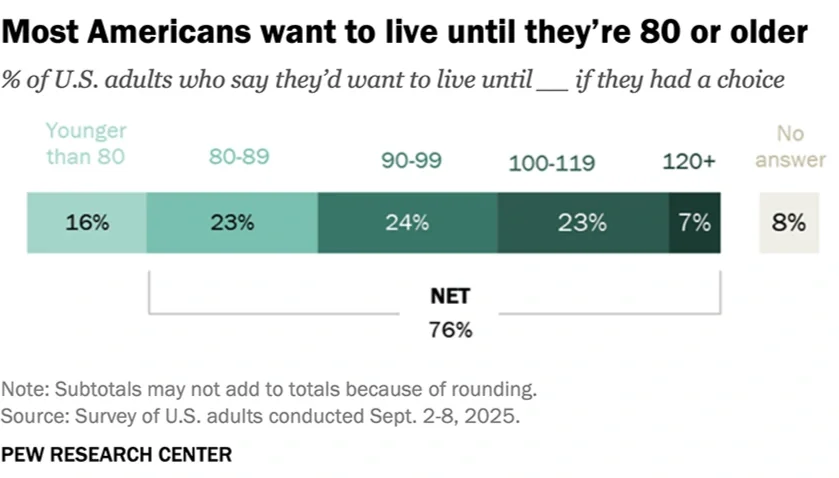
Fast forward to 2026 and the tide is turning on many of the “longevity” influencers due to ongoing (and serious) accusations and controversies, but the trend is set. According to studies, 80-90% of Americans say they are willing to significantly change their habits and spending to improve their personal longevity.[1, 2] But how?
To find out, December Yaupon surveyed 200 randomly selected residents of Austin and San Antonio TX to ask about their longevity practices. Even during the first week of January 2026, when health is on everyone’s mind, it turns out only one third of people include diet in their daily longevity practices. This gap is an a opportunity for food certification organizations and the brands working with them to provide signals to the public in everyone’s best interest. Great examples include the new Non-Ultra Processed Food Verification and Regenerative Organic Certification. A quick look at the products bearing these stamps reveals a clear connection with personal longevity.
For example, Regenerative Organic Certified meats, produce and grains are shown to have higher concentrations of key nutrients and Non-UPF foods reduce depression risk. And while researchers recently showed “Theobromine is associated with slower epigenetic aging" by increasing telomere length, only Regenerative Organic cacao, yaupon and yerba mate are consistently free of the heavy metals, pesticides and other common contaminants that counteract those benefits. It appears that the simultaneous development of these new certifications and the spike in interest for longevity strategies is more than just a coincidence, so what is driving this phenomenon?
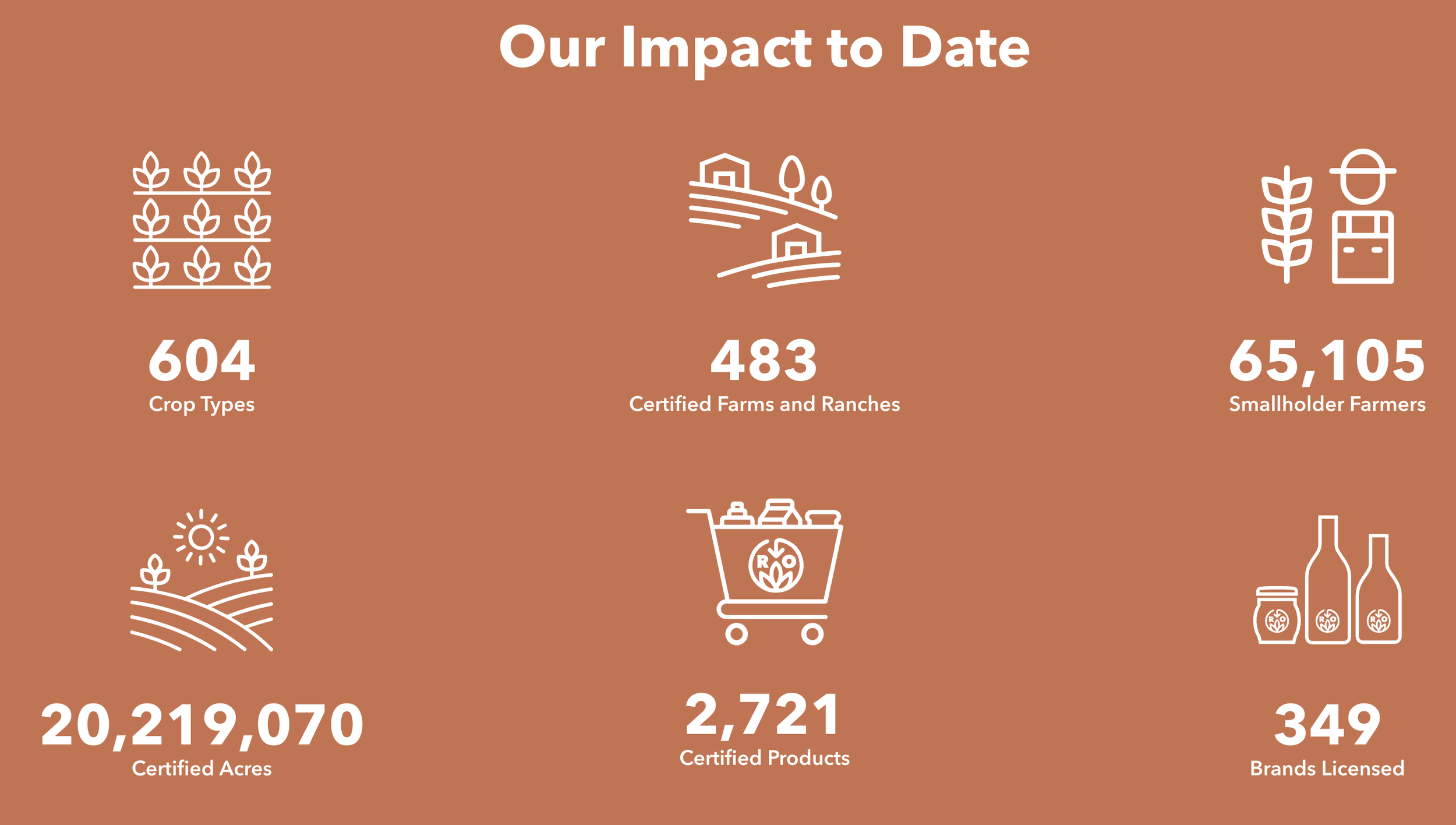
Beyond the apparent link to improved nutrients, science shows that diet is not the only piece of the lifespan puzzle and probably not even the most important. Instead, consistent human connection shows the strongest correlation with staying positive, motivated and healthy into old age. At this intersection, two deeper aspects of these new certifications arise. First, “functional” ingredients now drive a significant portion of total brand growth in the US. For example, the same theobromine in regenerative yaupon and cacao that may increase telomere length is also known as a “heart opener” that stimulates social connection, an attractive feature for many consumers. Second, these certifications represent social movements towards systems that not only support personal longevity but also the longevity of our surroundings. Longevity is more easily achieved and more enjoyable in a city with clean air, soil and water than a city contaminated by destructive agriculture and industry. And achieving these goals will require cooperation and connection within and between communities.
Non-UPF and Regenerative Organic products still represent a very small percentage of everything at the grocery store, but as they expand, they provide a strong signal for anyone and everyone seeking optimal choices for a long, healthy life. In a world where shoppers are constantly dodging irradiated shrimp and glyphosate-covered oats, the reward for finding new Regenerative and non-UPF options is sitting down at the table with friends and family to enjoy worry-free meals and conversation for years to come.